
A balcony rotted away and collapsed with people on it.
Apr 01, 2026
California Balcony Laws SB 721 and SB 326: What Owners Must Know
View the full interview here: https://youtu.be/gRipCN8TbvI?si=9QCNSuAl6YAmr27T
California Balcony Laws SB 721 and SB 326: What Every Condo Owner, HOA Board Member, and Home Seller Needs to Know
Balconies collapsed in Southern California in 1992. Then on the fifth floor of a Berkeley apartment building. Then again in Malibu. In each case, the cause was the same: water intrusion that rotted the wood supporting the structure — undetected until it was too late.
Jacquie Berry of Community Association DataSource explains California balcony inspection laws SB 721, SB 326 and AB 2579 — and why it is a full disclosure item.
California responded with two landmark laws.
Senate Bill 721, passed in 2018, requires owners of apartment buildings with 3 or more units to inspect all exterior elevated elements — balconies, decks, walkways, stairways, and entry structures more than 6 feet above ground — every 6 years. The initial inspection deadline was extended to January 1, 2026 by Assembly Bill 2579, signed in 2024.
Senate Bill 326, passed in 2019, applies to condominiums and homeowners associations governed by the Davis-Stirling Act. Inspections are required every 9 years and must be performed by a licensed structural engineer or architect only. The initial inspection deadline was January 1, 2025. That deadline has already passed. Condominium associations that have not completed their inspection are already out of compliance and face daily fines of up to $500.
Both laws define exterior elevated elements as structures supported in whole or in substantial part by wood or wood-based products. Both require that if an inspector finds evidence of deterioration, the board must authorize further destructive testing to determine the full extent of the problem — which may require hiring an engineer or architect.
This is a full disclosure item. If a condo or attached home is sold before its first inspection has been completed, that fact must be disclosed to the buyer.
In this 90-second clip from The Kapowich Vault, Jacquie Berry of Community Association DataSource explains what these inspections cover, what triggers destructive testing, and why every real estate professional in California needs to understand these laws before representing a buyer or seller of attached housing.
Content is for informational purposes only and does not constitute legal, financial, or real estate advice. Always consult a qualified attorney, financial advisor, or licensed real estate professional before making decisions. Pat Kapowich | Licensed California Real Estate Broker | CalDRE #00979413 | SiliconValleyBroker.com
Not sure where to start when preparing your home for sale, rental, or move? Pat Kapowich is a California real estate broker with decades of Bay Area experience and a career median of 9 days on market and every product on this list is exactly what he recommends to his own clients to get ahead of the process and protect their price.
- Curated by a broker who has guided homeowners through every market cycle
- Products chosen to help you prepare, list, sell, or rent without hiring anyone
- Start early and protect your sale price or rental value
- Some links are affiliate links, and Pat may earn a small commission at no extra cost to you
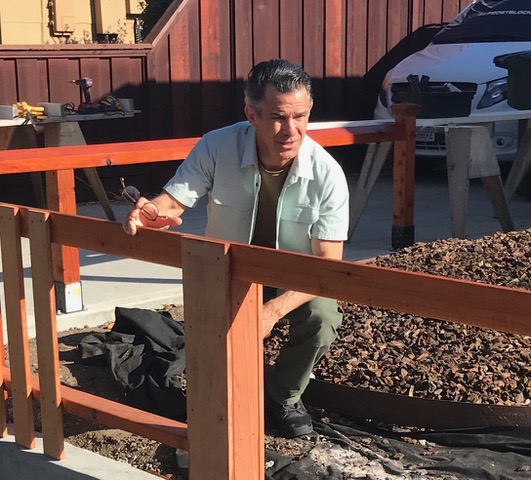
- Products I recommend for exterior prep, paint touch-ups, and presentation:
- https://geni.us/ExteriorPrepItems
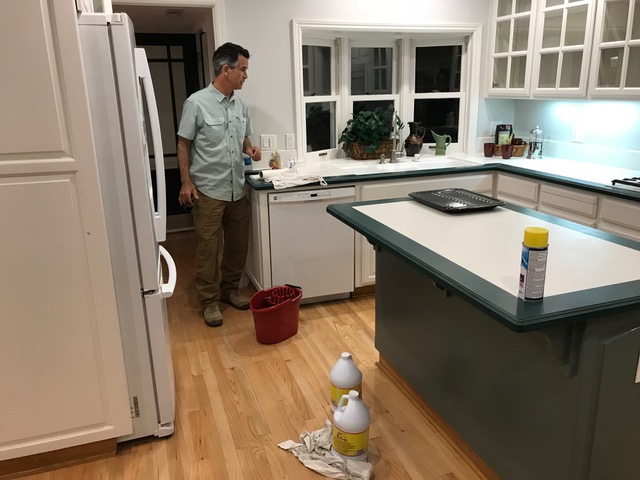
- Products I recommend for deep cleaning, interior paint touch-ups, and listing readiness:
- https://geni.us/InteriorPrepItems
- Supplies that make moving day easier:
- https://geni.us/MovingPackingItems

Disclosure: I may earn from qualifying purchases made through links in this description.
#RealEstate #HOA #CaliforniaRealEstate #SB721 #SB326 #BalconyBill
